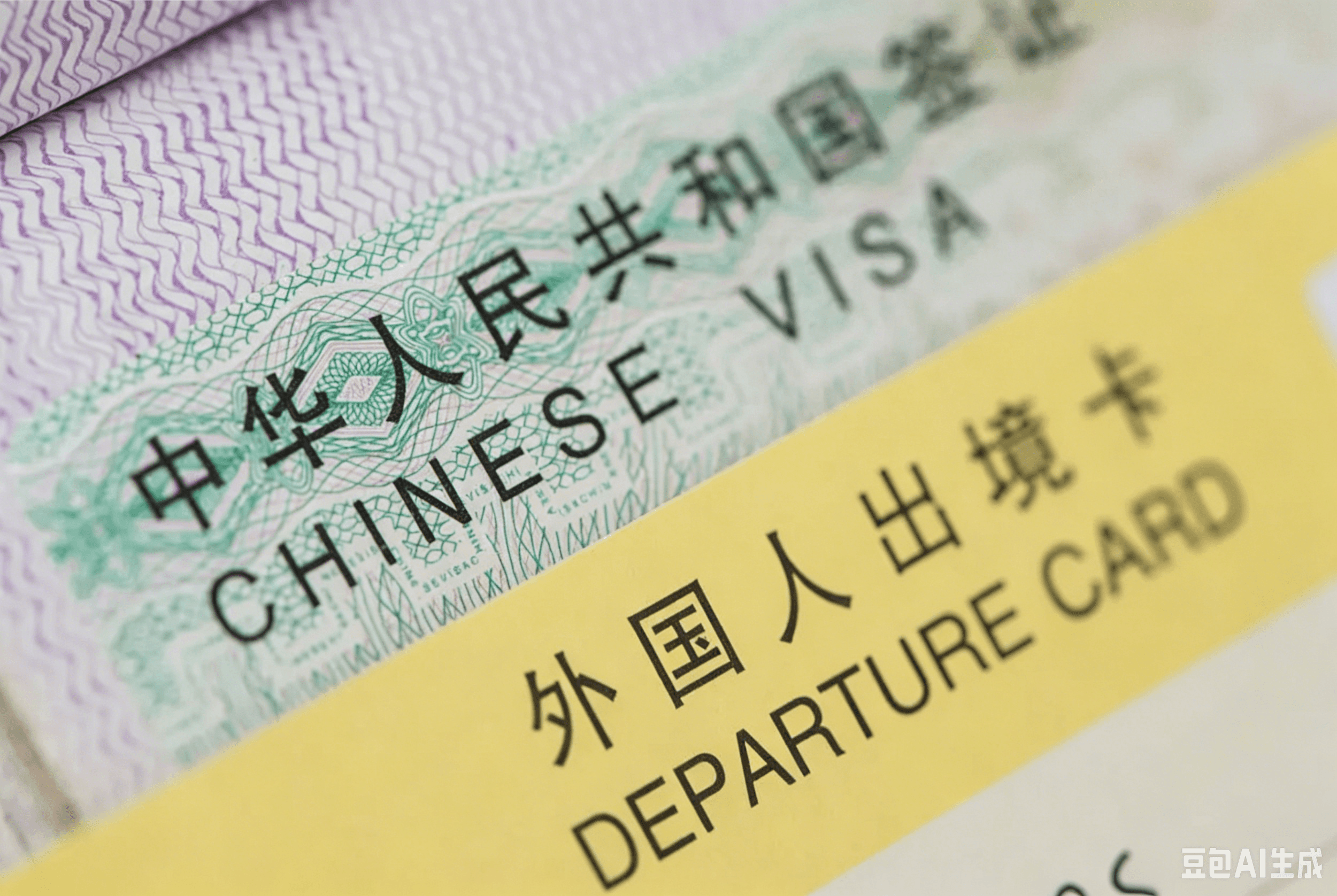
For foreigners who want to visit, work, or study in China, applying for a Chinese visa is the first and most important step. As an international youth exchange organization based in Chengdu, GlobalYouth China has helped hundreds of foreigners successfully apply for China visas. We often find that many applicants get stuck or even rejected simply because they choose the wrong visa type. In this first part of our complete China visa guide, we will explain all official Chinese visa types in full detail so you can pick the one that matches your travel purpose perfectly.
China Visa Types: Full List & Clear Explanations
China issues different visas based on your purpose of entry. Using the wrong visa will lead to direct rejection. Below is the complete, official list of the most commonly used visas for foreigners.
L Visa (Tourist Visa)
The L Visa is the most common visa for foreigners traveling to China for tourism, family visits, or medical treatment. It is usually a single-entry or double-entry visa, with a maximum stay of 30 days. If you plan to travel in China, visit friends or family, or receive medical services in China, the L Visa is the right choice for you.
F Visa (Business Visit Visa)
The F Visa is suitable for foreigners coming to China for business exchange activities, such as attending conferences, negotiating with partners, or conducting market research. It can be issued for single-entry, double-entry, or multiple-entry, with a stay period ranging from 30 to 90 days. To apply for an F Visa, you need an invitation letter issued by a Chinese company or organization.
M Visa (Trade & Commercial Visa)
The M Visa is specifically designed for foreigners entering China to engage in commercial and trade activities, such as conducting trade negotiations, participating in trade fairs, or carrying out business cooperation with Chinese enterprises. It supports single-entry, double-entry, and multiple-entry, with a stay period of 30–90 days depending on your needs. To apply, you need an invitation letter from a Chinese trade partner, a trade fair invitation, or a cooperation agreement and other trade-related documents.
Q1 Visa (Long-term Family Visit Visa) & Q2 Visa (Short-term Family Visit Visa)
The Q1 Visa is for foreign nationals coming to China for long-term family reunion (stay for more than 180 days). Applicants must be immediate family members of Chinese citizens or foreigners with permanent residency in China, including spouses, parents, children, siblings, grandparents, grandchildren, as well as those entering China for foster care. After entering China, Q1 Visa holders must apply for a residence permit within 30 days to legally stay in China for a long term. To apply for a Q1 Visa, you need an invitation letter from your Chinese family member or permanent resident relative, a certificate of family relationship (such as a marriage certificate or birth certificate), and the inviter’s ID or permanent residency certificate.
The Q2 Visa is used for short-term family visits (stay for no more than 180 days) in China, applicable to foreign nationals visiting Chinese citizens or foreign permanent residents in China. It is usually issued as a single-entry or double-entry visa, and no residence permit is required after entry. To apply for a Q2 Visa, you need an invitation letter from your Chinese relative or permanent resident relative, along with the inviter’s ID or permanent residency certificate.
S1 Visa (Long-term Private Affairs Visa) & S2 Visa (Short-term Private Affairs Visa)
The S1 Visa is issued to foreign nationals entering China for long-term private affairs (stay for more than 180 days), mainly for visiting family members working or studying in China, or handling other private matters that require a long-term stay. Eligible family members include spouses, parents, minor children, and parents-in-law of foreigners residing in China for work or study. S1 Visa holders must apply for a residence permit within 30 days after entry. To apply, you need documents proving the purpose of your private affairs and a certificate of relationship with the foreigner residing in China.
The S2 Visa is suitable for foreigners entering China to handle short-term private affairs (stay for no more than 180 days), such as short-term visits to family members working or studying in China, or handling temporary private matters. It is usually a single-entry or double-entry visa, with a maximum stay of 180 days, and no residence permit is required after entry. To apply, you need materials related to your private affairs, such as an invitation letter from the family member residing in China.
J1 & J2 Visas (Journalist Visas)
The J1 Visa is issued to foreign resident journalists who work in Chinese news institutions for more than 180 days; the J2 Visa is for foreign journalists entering China for short-term interviews and reports (no more than 180 days). To apply for J1 or J2 Visas, you need an official approval document from the Chinese competent authority in charge of news and publishing to prove your qualification for journalistic activities. J1 Visa holders must apply for a residence permit within 30 days after entering China.
X Visa (Student Visa)
The X Visa is specially designed for foreign students coming to China to study, divided into X1 Visa (for long-term study, more than 180 days) and X2 Visa (for short-term study, less than 180 days). After entering China, X1 Visa holders need to apply for a residence permit within 30 days, while X2 Visa holders do not need to apply for a residence permit.

Z Visa (Work Visa)
The Z Visa is a necessary visa for foreigners coming to China to work legally. To apply for a Z Visa, you need a work permit issued by the Chinese government and an invitation letter from your employer. After entering China, you must apply for a residence permit within 30 days to work legally in China.
C Visa (Crew Visa)
The C Visa is specially issued for crew members of international aircraft, ships, trains, and other cross-border means of transportation, such as pilots, sailors, and train crew, for performing international transportation duties. It is usually a multiple-entry visa, with a single stay period determined according to work arrangements, generally no more than 30 days. To apply, you need a letter of guarantee from your transportation company, and documents proving your crew identity and work assignment.
D Visa (Residence Visa)
The D Visa is a visa for foreigners coming to China for permanent residence or long-term stay (more than 180 days), and it is also a prerequisite for applying for a Chinese permanent residence ID card. Eligible groups include high-level talents, investors, immediate family members of Chinese citizens, etc., who meet China’s permanent residence conditions. After entering China, D Visa holders must apply for a residence permit or permanent residence procedures within 30 days. To apply, you need approval documents from the Chinese public security department and materials proving your eligibility for long-term residence.
G Visa (Transit Visa)
The G Visa is suitable for foreign nationals transiting through China to a third country/region, targeting those who do not qualify for visa-free transit and need to stay in China for a short period. It is usually a single-entry or double-entry visa, with a maximum stay of 7 days. To apply, you need a valid passport, a visa for the third country/region (if required), and a connecting ticket or transit itinerary.
R Visa (Talent Visa)
The R Visa is an exclusive visa for foreign high-end talents and urgently needed talents, attracting overseas talents to work, innovate, and start businesses in China. It can be issued for 5–10 years of multiple-entry, with a maximum stay of 180 days per entry. To apply, you need a recommendation letter from a relevant Chinese competent department or employing unit, as well as documents proving your talent qualifications (such as academic certificates, professional qualifications, and scientific research achievements). R Visa holders can enjoy preferential policies for entry and residence in China.

Conclusion
Now you understand all China visa types and which one fits your purpose. Choosing correctly is half the success of your application.
In Part 2 of this guide, we will cover the full step-by-step application process, required documents, latest policies, and the most common mistakes that cause visa rejection.
If you already know your visa type and want professional support, you can contact GlobalYouth China for one-on-one visa consultation at any time.