As a Chengdu-based institution dedicated to youth international exchange, GlobalYouth China has helped hundreds of foreign teachers come to China to start their teaching careers. We often hear foreign teachers reflect that the biggest challenge in Chinese classrooms is adapting to cultural differences — the teaching concepts, student behaviors, and classroom norms in China are quite different from those in Western countries. For foreign teachers, arranging classroom processes that conform to Chinese cultural characteristics is not only conducive to improving teaching efficiency but also helps build a good teacher-student relationship. In this article, GlobalYouth China will share practical methods and strategies to help foreign teachers arrange scientific and appropriate classroom processes based on cultural differences.
Key Cultural Differences Affecting Chinese Classroom Processes
Before arranging the classroom process, foreign teachers must first understand the key cultural differences between China and Western countries that affect classroom teaching. These differences are deeply rooted in the cultural traditions and educational concepts of both sides, and ignoring them will easily lead to teaching misunderstandings and inefficiencies. GlobalYouth China has summarized the most important cultural differences for foreign teachers:
Collectivism vs. Individualism
China is a typical collectivist society, while most Western countries advocate individualism. This difference is particularly obvious in the classroom: Chinese students are accustomed to group cooperation, pay attention to the harmony of the class, and are more willing to follow the teacher’s arrangements; Western students are more likely to express their personal opinions and pursue individual differences. For example, in group activities, Chinese students will actively cooperate with their teammates to complete tasks, while Western students may prefer to show their personal abilities. Foreign teachers need to take this difference into account when arranging group activities and classroom interactions.
Respect for Authority vs. Equal Communication
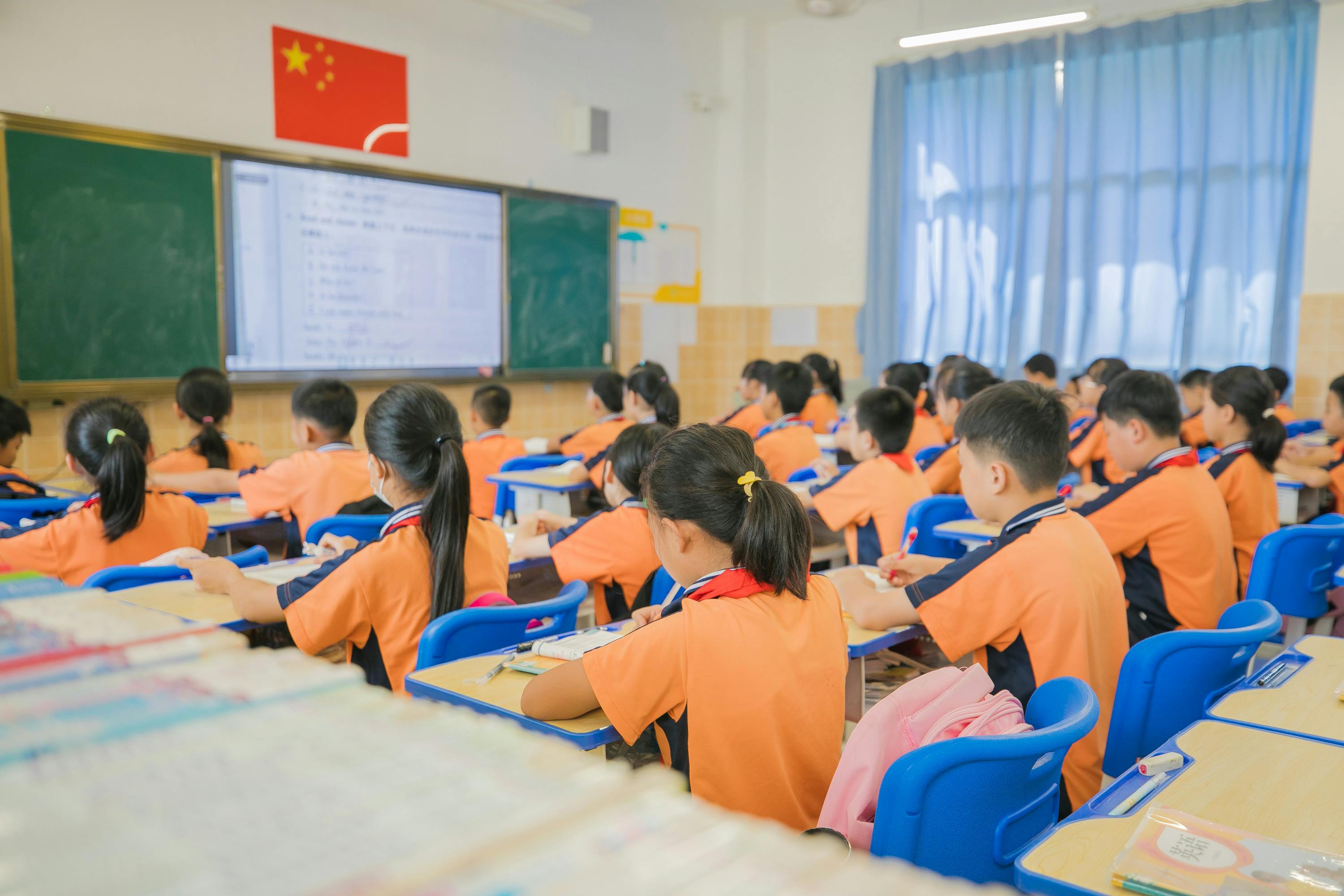
In Chinese culture, teachers are regarded as authoritative figures, and students are taught to respect teachers from an early age — they will listen carefully to the teacher’s lectures, rarely interrupt the teacher, and are more cautious when putting forward different opinions. In Western classrooms, teachers and students are more likely to have equal communication, and students can freely ask questions, express their doubts, and even debate with the teacher. This difference often makes foreign teachers feel that Chinese students are “too quiet” or “not active enough”, while Chinese students may feel that foreign teachers are “too casual” and lack authority.
Indirect Expression vs. Direct Expression
Chinese people are used to indirect expression, especially when pointing out mistakes or putting forward suggestions — they will use euphemistic language to avoid embarrassing others. Westerners, on the other hand, prefer direct expression and will clearly point out mistakes or put forward opinions directly. In the classroom, if a foreign teacher directly criticizes a Chinese student for making a mistake, the student may feel embarrassed and lose confidence; if a Chinese student has doubts about the teacher’s teaching, they tend not to ask questions directly but raise their hands waiting to be called on by the teacher.
Cultural Taboos and Etiquette Differences
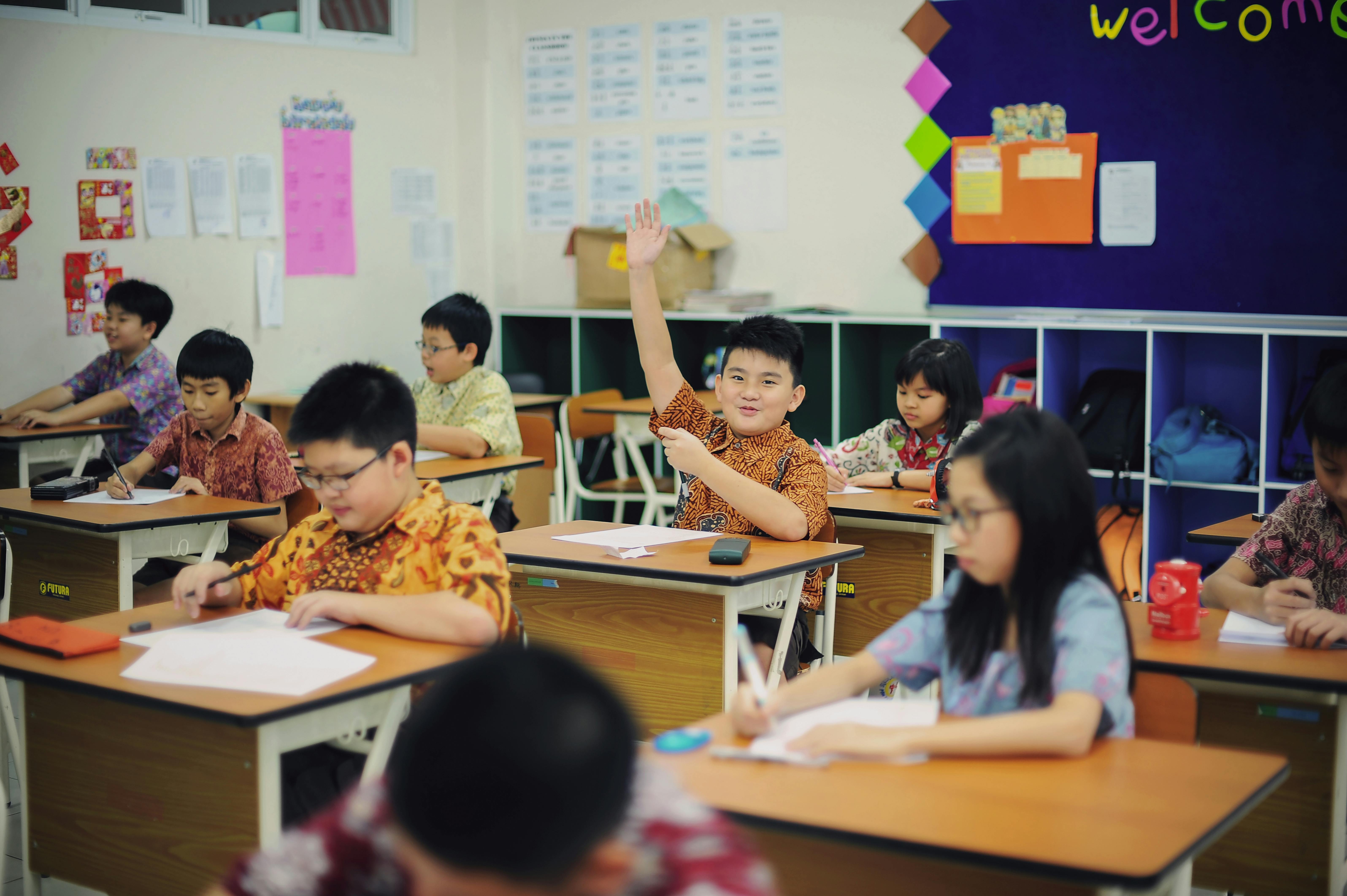
There are also many cultural taboos and etiquette differences between China and Western countries that affect classroom processes. For example, Chinese students are not used to physical contact with teachers (such as hugs or pats on the shoulder); when answering questions, they will raise their hands first and wait for the teacher’s permission before speaking; in class, they will not eat, drink, or use mobile phones casually. Foreign teachers need to understand these etiquette norms and avoid violating cultural taboos in the classroom, which will help gain the respect and trust of students.
How to Arrange Classroom Opening: Adapt to Cultural Differences from the Start
The classroom opening is the first link of the classroom process, which directly affects the students’ learning mood and the effect of the whole class. Foreign teachers should design a classroom opening that conforms to Chinese cultural characteristics to quickly attract students’ attention and establish a good teacher-student relationship. GlobalYouth China recommends the following methods:
Respectful Greeting and Interaction: At the beginning of the class, foreign teachers can greet students in simple Chinese (such as “Good morning, everyone!”), which can make students feel friendly and close. When interacting with students, avoid using overly casual language or behaviors (such as calling students by their nicknames directly), and use polite titles (such as “Student Li” or “Miss Wang”) to show respect for students.
Clear Classroom Rules and Expectations: Chinese students are accustomed to clear rules and guidance. Foreign teachers should clearly inform students of the classroom rules (such as no talking, no mobile phones, raising hands to speak) and their expectations for students at the beginning of the class. This can help students understand the classroom norms and avoid disciplinary problems.
Connect with Chinese Culture: Combine the teaching content with Chinese culture to arouse students’ interest. For example, if teaching English vocabulary about food, you can start with Chinese food culture (such as dumplings, noodles) and then lead to the corresponding English vocabulary. This not only conforms to students’ cultural background but also makes the teaching content more vivid and interesting.
Conclusion
Arranging classroom processes based on cultural differences is a key step for foreign teachers to succeed in Chinese classrooms. By understanding the cultural differences between China and Western countries, designing appropriate classroom links, and paying attention to practical details, foreign teachers can not only improve their teaching effectiveness but also build a good teacher-student relationship. GlobalYouth China is committed to helping foreign teachers adapt to China’s teaching environment and realize their teaching dreams in China. If you are a foreign teacher planning to come to China to teach, or if you have questions about adapting to Chinese classrooms, welcome to contact GlobalYouth China for professional advice and support.