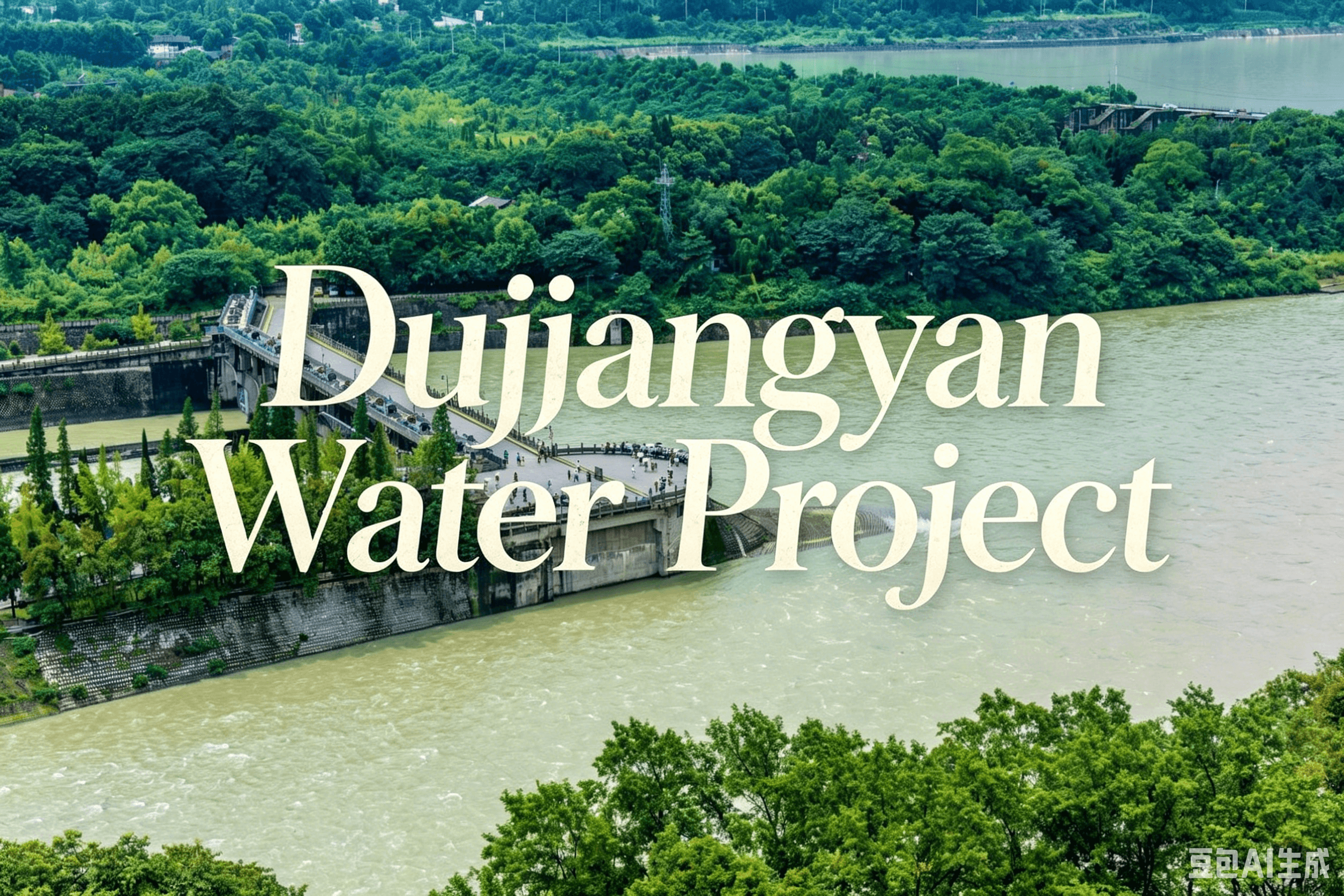
As an institution dedicated to cross-cultural communication linking global visitors and local civilization, GlobalYouth China often receives inquiries from international travelers curious about outstanding ancient Chinese infrastructure hidden across the country. Many foreign tourists who travel to China prioritize iconic natural landscapes or bustling metropolitan spots, yet they easily overlook Dujiangyan Irrigation System, a masterpiece that condenses thousands of years of Chinese agricultural and hydraulic wisdom. Unlike most artificial water conservancy constructions relying on towering dams and huge reservoir barriers, this centuries-old project uses natural terrain and river flow rules to complete flood control, water diversion and farmland irrigation all at once, making it an irreplaceable stop for anyone eager to explore authentic Chinese traditional culture during their visit to China.
Core Ingenuity: The Unique Non-dam Design of Dujiangyan Irrigation System
Most modern and ancient water projects worldwide depend on closed dams to block river water and regulate water volume, but Dujiangyan’s most groundbreaking achievement lies in its complete abandonment of the dam structure. Built more than two thousand years ago on the Minjiang River in western Sichuan, the whole construction takes advantage of natural mountain terrain, river bend hydrodynamic principle and sediment movement law to split river water automatically without any solid barrier intercepting the mainstream. This forward-thinking design is the core reason why the project can still operate stably after long-term natural erosion and seasonal flood impacts, stunning countless global architecture and water conservancy enthusiasts who come to study and sightsee.
Three Key Functional Components Form the Entire Water Regulation Network
Three core parts work in seamless coordination to realize the project’s full functions, and each structure carries targeted engineering purposes formed after repeated observation of local hydrological features.
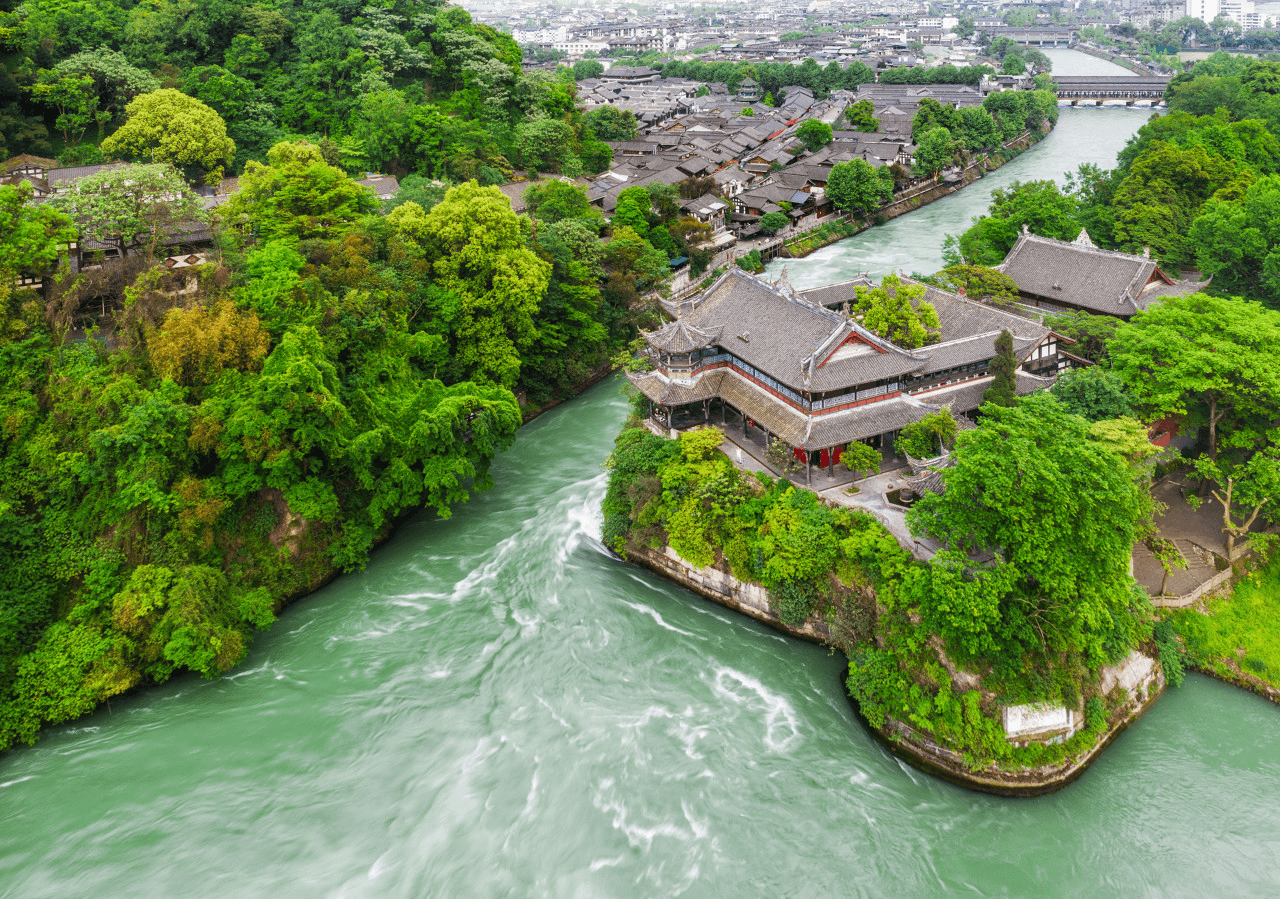
First comes Fish Mouth Levee, located at the river split point of Minjiang River. This wedge-shaped artificial embankment divides the wild mainstream into inner river and outer river naturally; the inner river transports clean water toward vast Chengdu Plain for irrigation, while the outer river undertakes most flood discharge during rainy seasons to avoid downstream flooding.
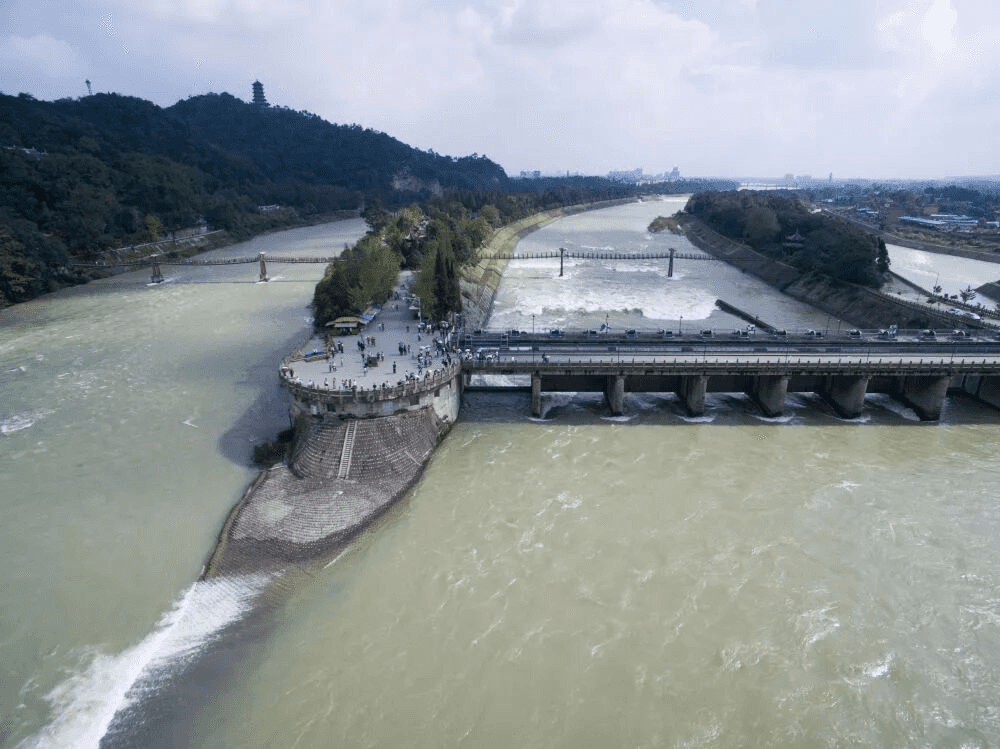
Second is Feisha Weir, a low-level overflow dike set between inner and outer river channels. Its height is precisely calculated according to annual highest water level of Minjiang, which enables excess floodwater and large amount of river sediment to spill into outer river automatically when water rises sharply. Self-emptying sediment and automatic flood diversion are two hidden highlights of Feisha Weir, solving the long-standing sediment accumulation trouble that troubles numerous global irrigation projects.
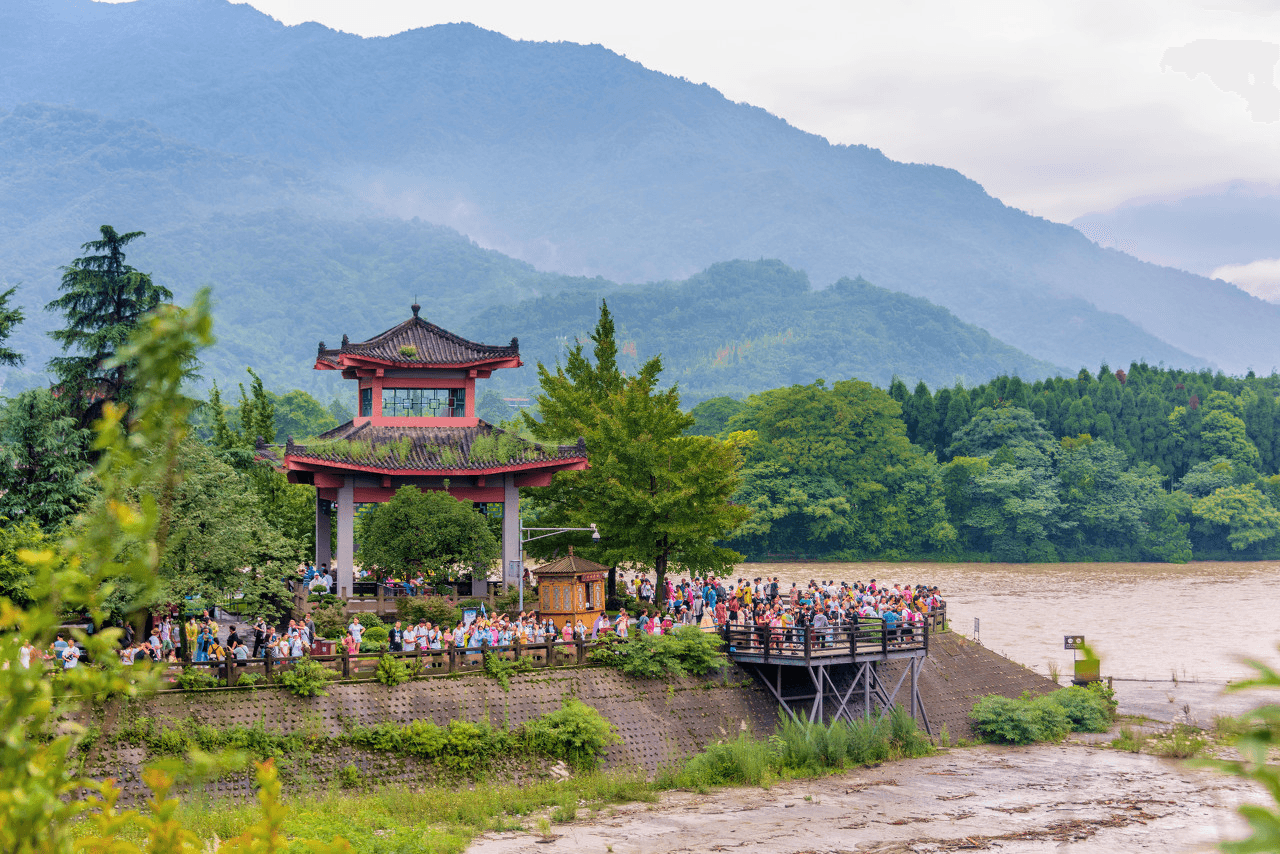
Third is Baopingkou, a manually excavated mountain pass channel leading toward Chengdu Plain. After filtered and diverted by the former two structures, steady clean water flows through this narrow gateway and spreads across surrounding farmland, supporting the development of local grain cultivation for generations.
How Ancient Hydraulic Wisdom Reshaped Sichuan’s Entire Regional Development
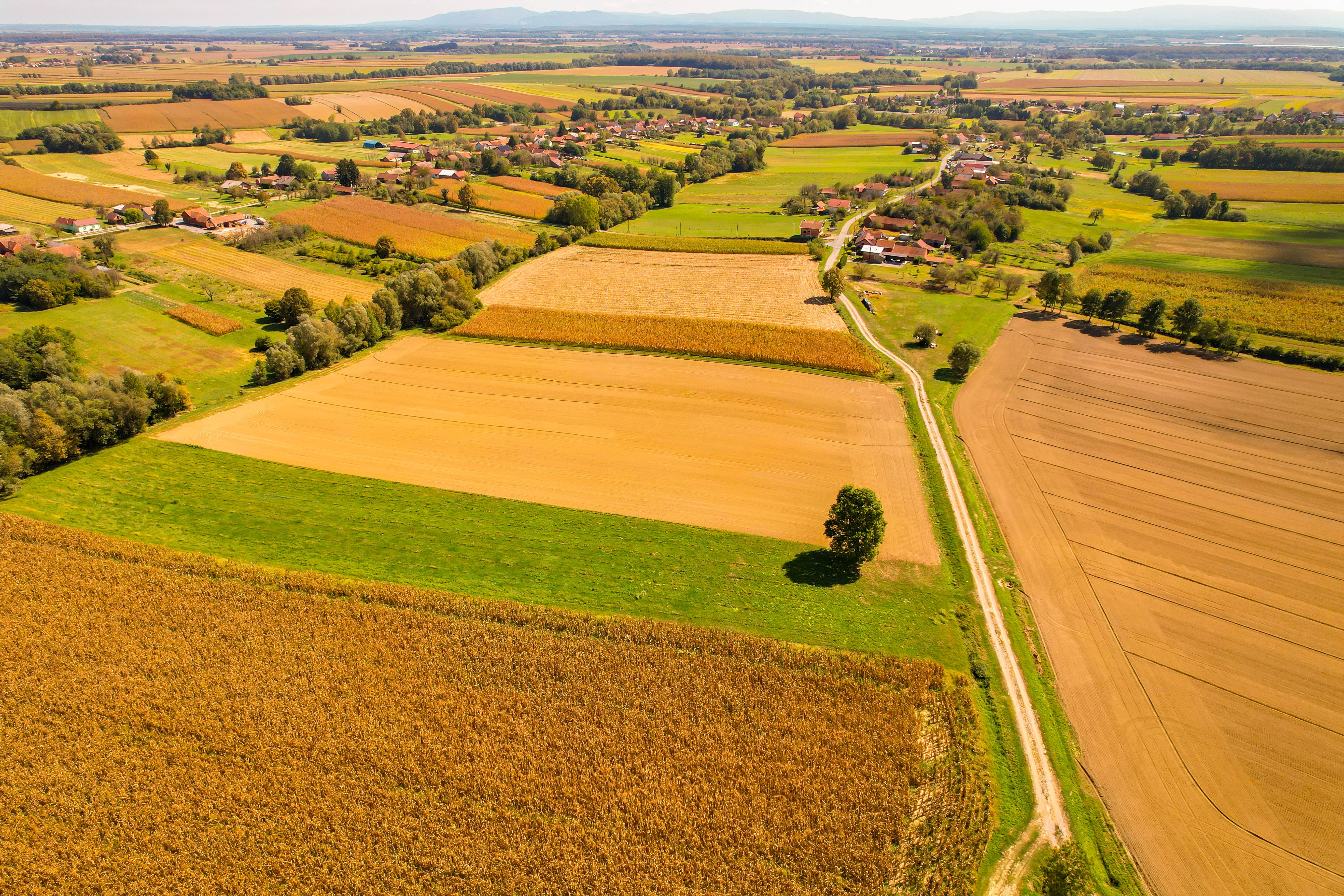
Before the completion of Dujiangyan Project, the upper reaches of Minjiang frequently brought devastating flood disasters to western Sichuan plain in summer, while severe drought plagued the same land during dry winter months, restricting local agricultural production and population development severely. After the formal operation of this water conservancy facility, the original disaster-prone barren plain gradually turned into fertile arable land, laying the economic foundation for the well-known "Land of Abundance", a nickname for Chengdu and surrounding Sichuan areas.
Practical Travel Tips for Foreign Visitors Exploring Dujiangyan In-depth
For international travelers adding Dujiangyan into their China travel itinerary, proper preparation helps improve the overall sightseeing experience and avoid unnecessary troubles. First of all, the optimal visiting window falls in mild spring and autumn; summer brings heavy rainfall with spectacular flood flow view yet requires attention to sudden temperature drop and slippery mountain roads.
Arranging a half-day or one-day independent itinerary is the most recommended visiting mode, instead of packing multiple distant scenic sites within one single day, so travelers can spare enough time to check each core construction and communicate with local guides about detailed engineering stories. Multiple multilingual service centers are set inside the scenic zone, offering English introduction brochures and certified bilingual tour guides for visitors with language barriers. Besides core water conservancy relics, nearby ancient towns and mountain trails deliver supplementary rural scenery, perfect for travelers eager for integrated natural and cultural experience during their stay in China.
Common Misunderstandings International Tourists Hold About Dujiangyan Project
Many overseas travelers easily mistake Dujiangyan for a modern rebuilt scenic landscape transformed from original ancient relics, while the core functional structures still follow the original terrain layout and operation logic from ancient construction. Another widespread misconception assumes the whole project was finished within a short construction period; in fact, core framework was finished in the early stage, and subsequent generations kept fine-tuning partial structures based on seasonal river changes, forming the mature system people witness today. Clearing up these biased views helps foreign visitors build objective cognition of China’s long-standing hydraulic civilization during cultural exchange China journeys.
If you hope to step out of conventional sightseeing routes and feel profound ancient Chinese engineering charm on your trip to China, welcome to get customized travel advice from GlobalYouth China to design your exclusive Dujiangyan in-depth exploration schedule.